Proper fit is everything when it comes to items you rely on every day, like your shoes or helmet. The same thing goes for a CPAP mask if you have sleep apnea. Even the most advanced machine won’t do its job if the mask doesn’t seal correctly. A proper fit ensures steady airflow, reduces leaks, and stays comfortable throughout the therapy.
Speaking of models, you can choose from full-face, nostril, or hybrid CPAP masks. Full-face styles are a popular choice for people who breathe through their mouth, move around a lot during sleep or need higher pressure settings. They cover both the nose and mouth and provide a secure seal and consistent airflow while you sleep.
When it’s time to replace your mask, because even the best gear wears out eventually, consider your options. You can stick with the model you know and trust, or explore new full-face CPAP masks that provide a more secure seal, a quieter experience, and greater comfort over older models.
Gone are the days when full-face CPAP masks were seen as bulky, uncomfortable, and noisy. Traditional designs often felt heavy and could leak easily, making therapy harder to stick with. Today’s new models are lighter, quieter, and designed with softer materials that adapt to your face for a more secure seal. Many also feature easier headgear adjustments, slimmer frames, and improved airflow, so you can sleep more comfortably without feeling weighed down.
Fewer Leaks
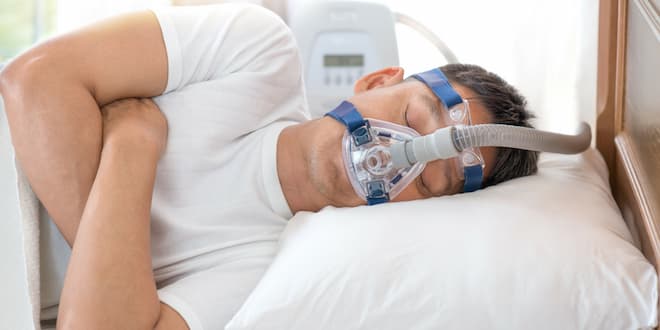
source: careprohs.com
Leaks occur when the pressurised air from your CPAP machine escapes from the mask instead of staying in your airway. Even small leaks can reduce the effectiveness of therapy, cause noise, or dry out your eyes and mouth.
Thankfully, new and improved full face CPAP masks with their advanced features can significantly reduce the chances of air escaping compared to nasal pillows or nasal-only masks. They are often designed with soft, flexible cushions that mould to the contours of your face, feature adjustable headgear with magnetic clips for a personalised fit, and advanced venting systems that prevent air from escaping.
Better Stability
It’s not uncommon to sometimes wake up and find that you’ve accidentally removed the mask in your sleep. If you’re a restless sleeper, you may find that a full face mask will stay on your face better. That’s because it covers both the nose and mouth and typically has multiple straps around the head. This distributes pressure evenly and keeps the mask in place even if you move a lot.
If removing the mask is a consistent issue, consider setting an alarm for a time during the night so you can check whether it’s still on. You might progressively move the alarm later as you get better at keeping the mask on throughout the night
Less Mouth Dryness
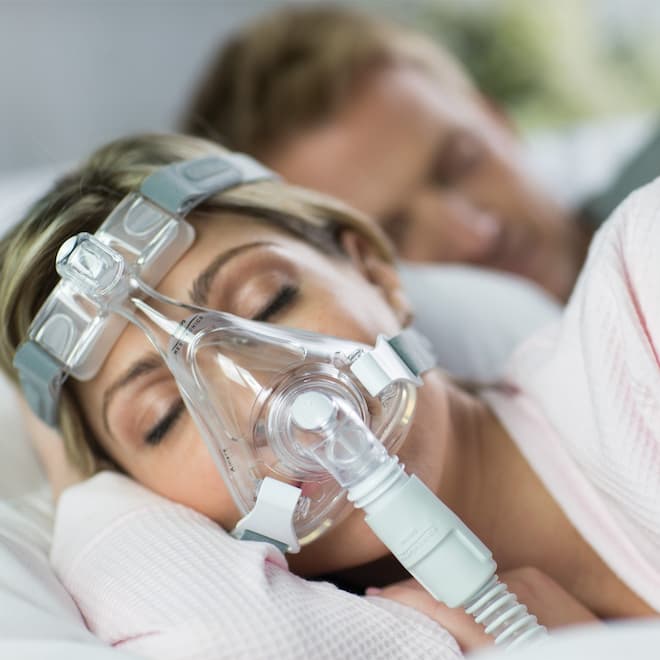
source: gocpap.com
Next, even if you happen to breathe through your mouth while sleeping, full-face masks still maintain a consistent airflow and prevent that dry, parched feeling you might get with nasal-only masks. They do this by creating a sealed space over both your nose and mouth, so the pressurised air from your CPAP machine is delivered evenly, no matter how you breathe.
Therefore, instead of losing air through your mouth, as can happen with nasal-only masks, the full-face design keeps the airflow steady and your airways supported throughout the night.
A dry mouth can wake you up multiple times in the night, adding to the fatigue and poor sleep quality caused by apnea itself. Over time, dry mouth reduces saliva, which normally protects teeth and gums, leading to increased risk of cavities, gum disease, bad breath, and oral infections.
Ideal for Congestion
Some days, you might be struggling with nasal airway issues such as sinusitis, a deviated septum, or nasal congestion. Even if you’re not a mouth breather, congestion from allergies or a cold can force you to breathe that way. Instead of struggling to breathe through a blocked nose with a nasal mask, a full-face option keeps therapy effective. It lets you breathe easily through your mouth until your sinuses clear.
Higher Pressure Comfort
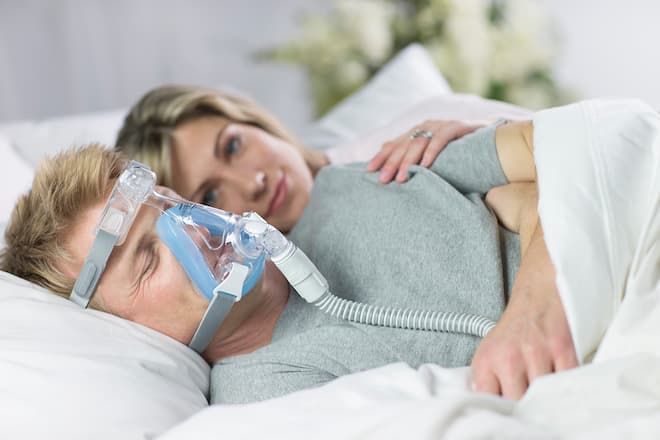
source: previmed.ca
Last but not least, if you happen to have severe sleep apnea that requires higher pressure settings, full face masks may be more manageable and reliable than other types. That’s because they’re designed to remain comfortable and effective even at higher CPAP pressure settings.
When used at high pressures, smaller masks like nasal pillows can leak or feel like air is blasting into your nose. Full-face masks, on the other hand, spread the airflow across both the nose and mouth. They won’t feel overwhelming when your machine is set to higher therapy pressures, but instead keep the seal steady and reduce the sensation of “air jetting”.
Furthermore, since these modern models use softer, more adaptive cushions and headgear that distribute pressure evenly, they can prevent tight straps or painful pressure points when higher air levels are pushing through.




 Choosing the Right Elsema Components for Your Wireless Control System
by Peter Brown+ - Comments Off on Choosing the Right Elsema Components for Your Wireless Control System
Choosing the Right Elsema Components for Your Wireless Control System
by Peter Brown+ - Comments Off on Choosing the Right Elsema Components for Your Wireless Control System
 HÅG
by Peter Brown+ - Comments Off on HÅG
HÅG
by Peter Brown+ - Comments Off on HÅG
 Avenel Hats
by Eva Robinson+ - Comments Off on Avenel Hats
Avenel Hats
by Eva Robinson+ - Comments Off on Avenel Hats
 Western Global
by Peter Brown+ - Comments Off on Western Global
Western Global
by Peter Brown+ - Comments Off on Western Global
 4 Reasons Full-Face CPAP Masks Outperform Other Styles
by Eva Robinson+ - Comments Off on 4 Reasons Full-Face CPAP Masks Outperform Other Styles
4 Reasons Full-Face CPAP Masks Outperform Other Styles
by Eva Robinson+ - Comments Off on 4 Reasons Full-Face CPAP Masks Outperform Other Styles
 John Deere
by Peter Brown+ - Comments Off on John Deere
John Deere
by Peter Brown+ - Comments Off on John Deere
 Foton
by Peter Brown+ - Comments Off on Foton
Foton
by Peter Brown+ - Comments Off on Foton
 Komatsu
by Peter Brown+ - Comments Off on Komatsu
Komatsu
by Peter Brown+ - Comments Off on Komatsu
You must be logged in to post a comment Login